
Understanding Los Angeles Zoning Laws for ADUs
Introduction to ADUs and Zoning Laws
Accessory Dwelling Units (ADUs) have become increasingly popular in Los Angeles as a solution to the housing crisis. ADUs are secondary housing units that can be added to a property with an existing residential building. Understanding the zoning laws surrounding ADUs is crucial for homeowners looking to expand their property.

What Are Zoning Laws?
Zoning laws are regulations that dictate how land can be used in different areas. These laws are designed to control urban growth, protect the environment, and ensure that communities are well-planned. In Los Angeles, zoning laws can be complex, especially when it comes to adding an ADU to your property.
Types of Zoning in Los Angeles
Los Angeles has several zoning designations, each with its own set of rules. The most common types include:
- Residential Zoning (R): Areas designated for single-family homes, duplexes, and sometimes small apartment buildings.
- Commercial Zoning (C): Areas for businesses, including retail and office spaces.
- Industrial Zoning (M): Reserved for manufacturing and warehouses.
ADU Regulations in Los Angeles
Los Angeles has specific regulations for constructing ADUs. These regulations are designed to make it easier for homeowners to add additional units while maintaining neighborhood character. Important aspects include:
Size and Design Requirements
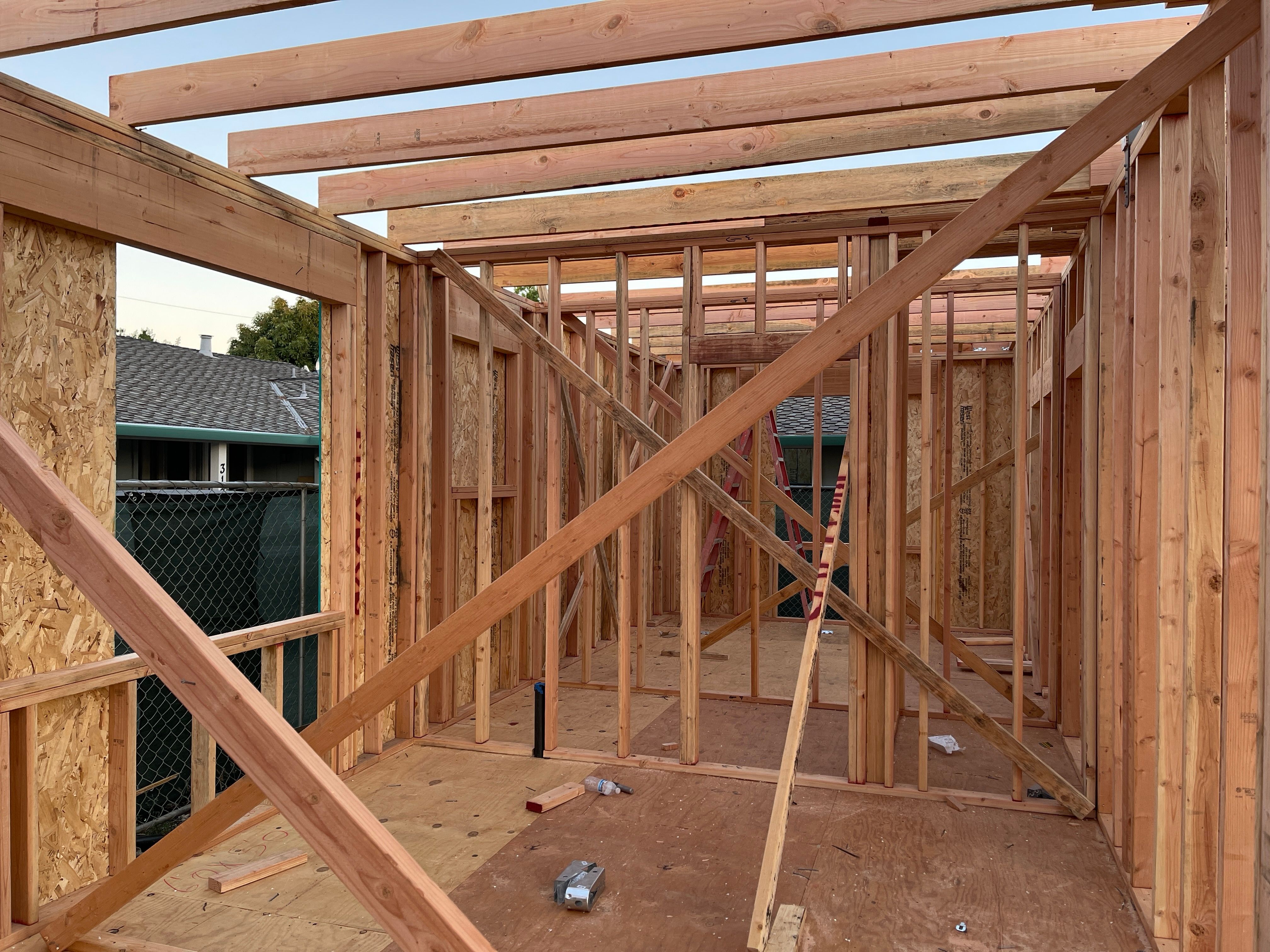
The size of an ADU in Los Angeles is typically limited to 1,200 square feet. However, the exact size can vary based on the size of the lot and the existing structures. Design requirements often include ensuring that the ADU complements the main residence.
Setbacks and Height Restrictions
Setbacks refer to the distance a building must be from the property lines. In Los Angeles, ADUs usually have relaxed setback requirements compared to other structures. Height restrictions also apply, generally limiting ADUs to one or two stories.
Permitting Process
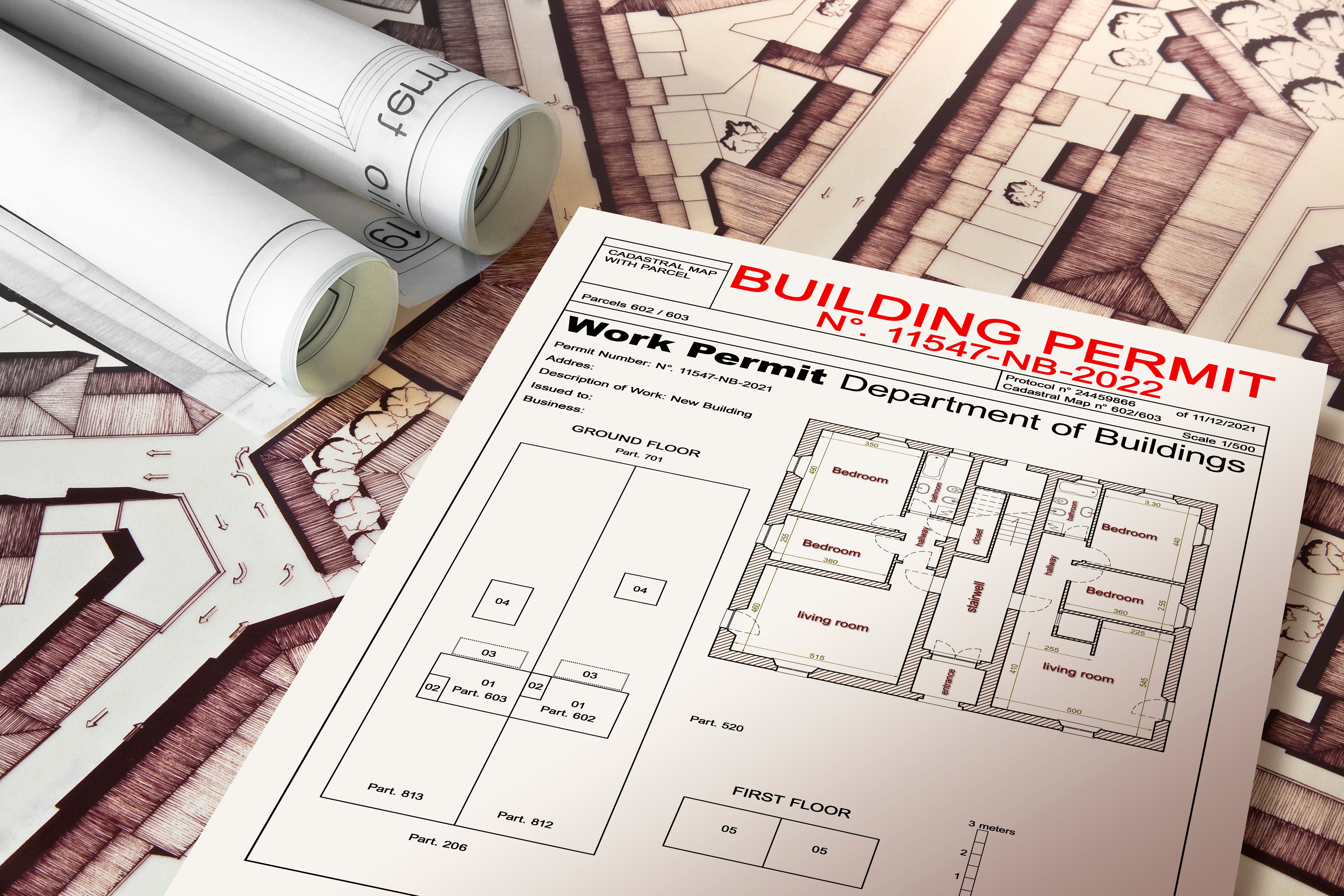
Obtaining a permit is a crucial step in building an ADU. The process involves submitting plans to the Los Angeles Department of Building and Safety. Homeowners must ensure their plans comply with all zoning laws and building codes. This process can take several weeks to months, depending on the complexity of the project.
Fees and Costs
There are various fees associated with the permitting process, including application fees, inspection fees, and impact fees. The total cost can vary significantly, so it’s essential to budget accordingly and consult with professionals if needed.
Conclusion
Understanding Los Angeles zoning laws for ADUs is critical for homeowners looking to expand their living space. While the process can seem daunting, proper planning and adherence to regulations can lead to a successful project. ADUs not only provide additional housing options but also contribute to a more sustainable and flexible urban environment.