
Sustainable Building Practices for Multifamily Homes in Los Angeles
The Importance of Sustainable Building Practices
As urban areas continue to expand, the demand for housing solutions that are both efficient and environmentally friendly has never been greater. In Los Angeles, a city known for its vibrant culture and sprawling landscapes, sustainable building practices for multifamily homes are becoming increasingly vital. These practices not only contribute to environmental conservation but also enhance the quality of life for residents.
Sustainable building involves using resources more efficiently while creating healthier living environments. This approach reduces the carbon footprint and conserves energy, making it a win-win for both developers and residents. By integrating these practices, multifamily homes can become a model for sustainable urban living.
Energy Efficiency Techniques
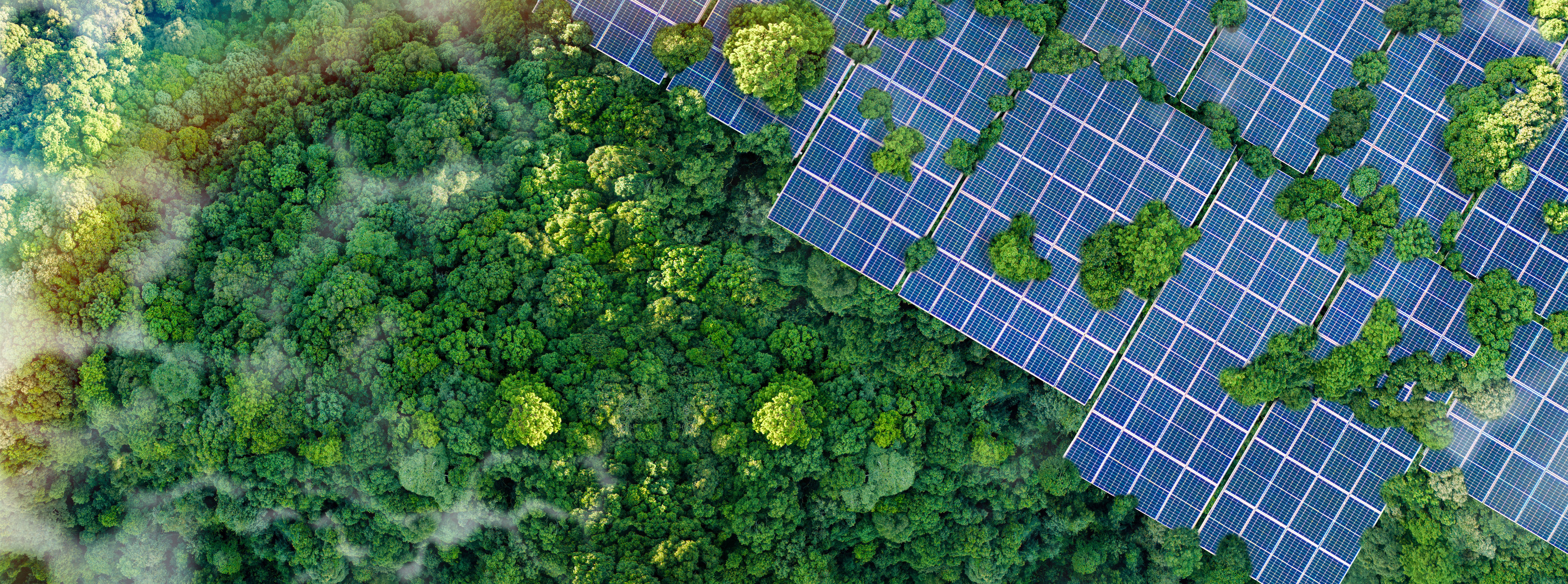
One of the primary goals of sustainable building is to enhance energy efficiency. Incorporating smart technologies and innovative design can significantly reduce energy consumption. For instance, using solar panels and energy-efficient appliances helps minimize reliance on nonrenewable energy sources. Additionally, proper insulation and high-performance windows can drastically cut down on heating and cooling needs.
Another effective strategy is the implementation of smart home systems. These systems allow residents to monitor and control their energy usage remotely, encouraging more conscious energy consumption. This not only reduces costs but also contributes to a greener environment.
Water Conservation Strategies
In a city like Los Angeles, where water scarcity is a pressing issue, sustainable building practices must include efficient water management techniques. Installing low-flow fixtures, such as faucets and showerheads, can significantly reduce water usage. Additionally, rainwater harvesting systems can be used to capture and reuse rainwater for landscaping and other non-potable uses.
Implementing drought-resistant landscaping is another effective practice. By choosing native plants that require less water, developers can create beautiful, sustainable landscapes that thrive in the local climate.

Materials and Resources
The choice of materials plays a crucial role in sustainable building. Using recycled and locally sourced materials can greatly reduce the environmental impact of construction. Materials such as reclaimed wood, recycled steel, and bamboo are excellent choices for sustainable multifamily homes.
Additionally, opting for non-toxic finishes and paints contributes to healthier indoor air quality, providing a safer living environment for residents. Emphasizing quality over quantity ensures that buildings remain durable and require less maintenance over time.

Community and Lifestyle Benefits
Sustainable building practices also extend to creating communities that promote a healthy and balanced lifestyle. Incorporating green spaces, community gardens, and recreational areas encourages social interaction and enhances residents' well-being. These elements foster a sense of community and connection to nature, even in urban settings.
Furthermore, multifamily homes designed with sustainability in mind often attract environmentally conscious tenants, creating communities that value and support sustainable living.
The Future of Sustainable Multifamily Homes
As technology advances and awareness grows, the potential for sustainable multifamily homes in Los Angeles is immense. Developers and architects are continually exploring new methods to create energy-efficient, eco-friendly living spaces. By prioritizing sustainability, Los Angeles can set a precedent for cities worldwide, demonstrating how urban development and environmental stewardship can go hand in hand.
Ultimately, adopting sustainable building practices is not just a trend but a necessity. It ensures that future generations can enjoy the vibrant city of Los Angeles while preserving its natural resources. By making conscious choices today, we pave the way for a greener, more sustainable tomorrow.