
Common Misconceptions About ADU Regulations in Los Angeles
Understanding ADUs in Los Angeles
Accessory Dwelling Units (ADUs) have become an increasingly popular solution to housing shortages in urban areas like Los Angeles. However, navigating the regulations surrounding ADUs can be tricky. There are several common misconceptions about what's allowed and what's not, often leading to confusion and frustration.

Misconception 1: ADUs Can Be Built Anywhere
One of the biggest misconceptions is that ADUs can be constructed on any residential property. In reality, there are specific zoning laws that dictate where ADUs can be built. Certain neighborhoods may have restrictions based on factors like lot size and existing structures. It's crucial to check local zoning laws before planning an ADU.
Misconception 2: No Permits Are Required
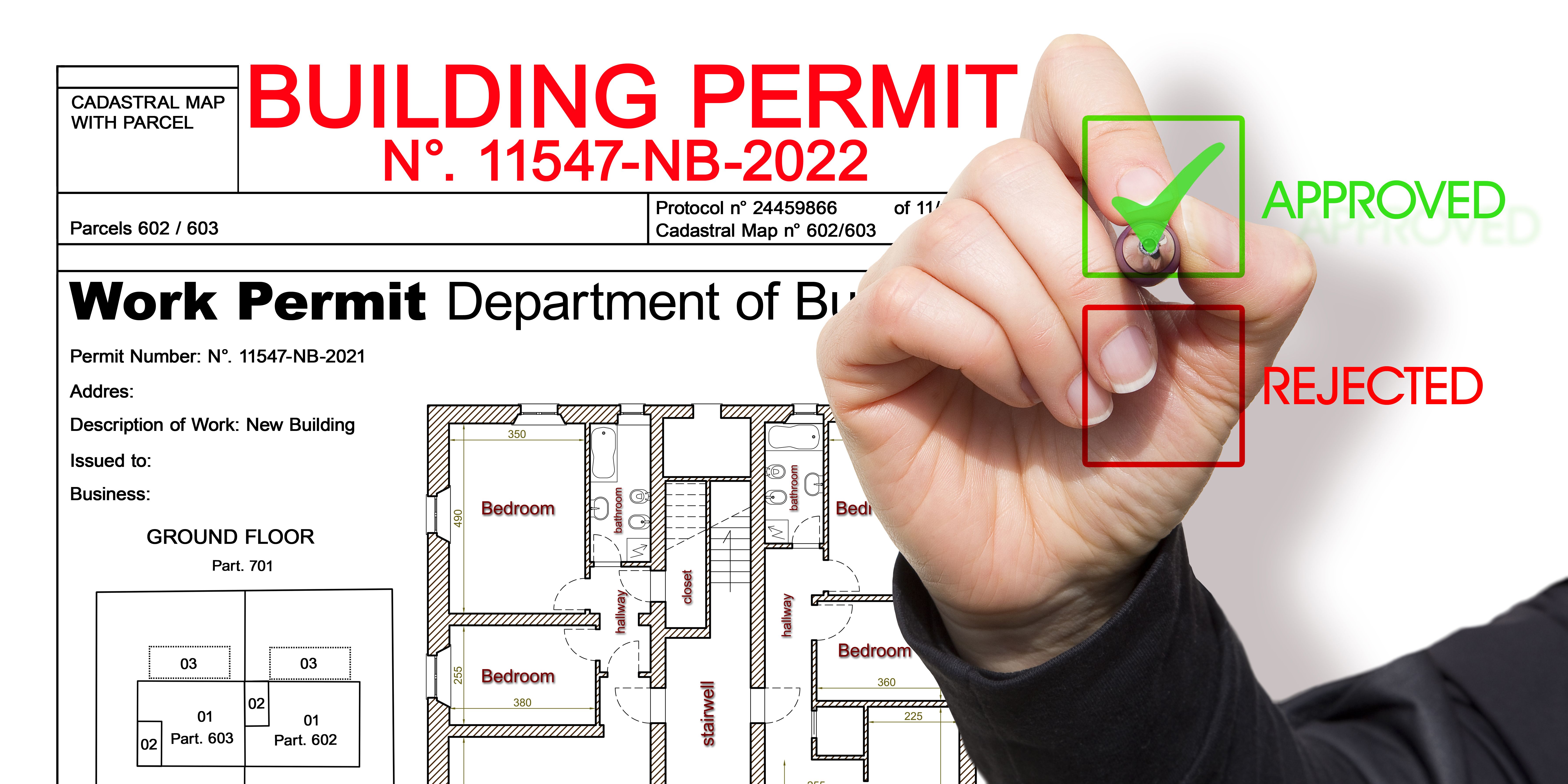
Some homeowners believe they can bypass the permit process when adding an ADU. This is false. In Los Angeles, obtaining the necessary permits is a mandatory step. The permit process ensures that the ADU meets safety and building standards, and skipping this step can lead to fines and required demolitions.
Misconception 3: ADUs Can Be Any Size
Another common misconception is that ADUs can be built without size restrictions. However, Los Angeles has specific regulations regarding the size of ADUs. Typically, an ADU cannot exceed 50% of the existing home’s square footage or a maximum of 1,200 square feet, whichever is smaller.
Misconception 4: ADUs Reduce Property Value
Some homeowners worry that adding an ADU will decrease their property value. On the contrary, ADUs often increase property value by adding additional living space and potential rental income. They offer flexibility and can meet the needs of multigenerational households.

Misconception 5: ADUs Are Only for Rental Income
While many people build ADUs with rental income in mind, they serve multiple purposes. ADUs can provide housing for family members, act as guest houses, or even be used as home offices. The versatility of ADUs makes them an attractive option for various needs.
Conclusion: Educate Yourself on ADU Regulations
Understanding the regulations surrounding ADUs is essential for anyone considering this addition to their property. By dispelling these misconceptions, homeowners can make informed decisions and fully leverage the benefits of an ADU. Always consult with a professional to navigate the complex regulations and ensure compliance.